
定位失败
天气获取失败
--

US bill proposes 21st-century privateers to take on cybercrime

Published date:
Source:
BB Finews
8/28/25, 3:31 AM
Arizona lawmaker David Schweikert introduced “The Scam Farms Marque and Reprisal Authorization Act of 2025” in August, which proposes neo-privateers — state-sanctioned pirates — to combat cybercriminals engaged in threats against the United States.
The bill authorizes the US president to issue letters of marque to “privately armed and equipped persons” contracted by the government to “employ all means reasonably necessary” to seize property and detain or “punish” cybercriminals deemed a threat by the president.
These threats include crypto theft, pig butchering scams, ransomware attacks, identity theft, accessing computers without authorization to gather sensitive personal or classified information, online password trafficking, and compromising computers with malicious code. The bill read:
“Criminal enterprises that employ cybercrimes and coerced labor present an unusual and extraordinary threat to the economic and national security of the United States.”
The bill characterized the scams as “acts of war” perpetrated by individuals, organized criminals, and foreign governments against the US and is a revival of an 18th-century law that could have implications for the future of cybersecurity and asset seizure if passed.

Related: Crypto crime unit with $250M in seizures expands with Binance
US could funnel seized assets into Bitcoin reserve and national crypto stockpile
Over $142 million in crypto was lost to hackers in July, and the total amount of crypto stolen so far in 2025 exceeds $3 billion. Stolen crypto seized by US law enforcement officials in investigations could later be forfeited to the government in court proceedings.
US President Donald Trump signed an executive order in January establishing a Bitcoin and crypto reserve, which could only accumulate crypto through budget-neutral strategies or asset forfeiture.
In July, the US federal government filed a civil complaint to claim over 20 Bitcoin (BTC), valued at over $2.3 million, seized by the Dallas, Texas, division of the Federal Bureau of Investigation (FBI) during an operation against the Chaos ransomware hacker group.
The US Department of Justice (DOJ) also seized $1 million in crypto from the BlackSuit ransomware group during the same month.
In August, the DOJ authorized the seizure of $2.8 million in crypto from a wallet controlled by Ianis Aleksandrovich Antropenko, who was charged with targeting individuals and businesses with ransomware attacks.
Magazine: Inside a 30,000 phone bot farm stealing crypto airdrops from real users

BTC News

CR7 memecoin hits $140 mln market cap, rugpulled: ‘Crypto never sleeps, but scams run faster’
BB Finews

South Korea readies stablecoin framework; bill set for October
BB Finews

Pump.fun reclaims Solana top spot as memecoins rebound in August
BB Finews

Bitcoin’s late bull stage: $1T cap, low profit-taking, and what’s ahead
BB Finews
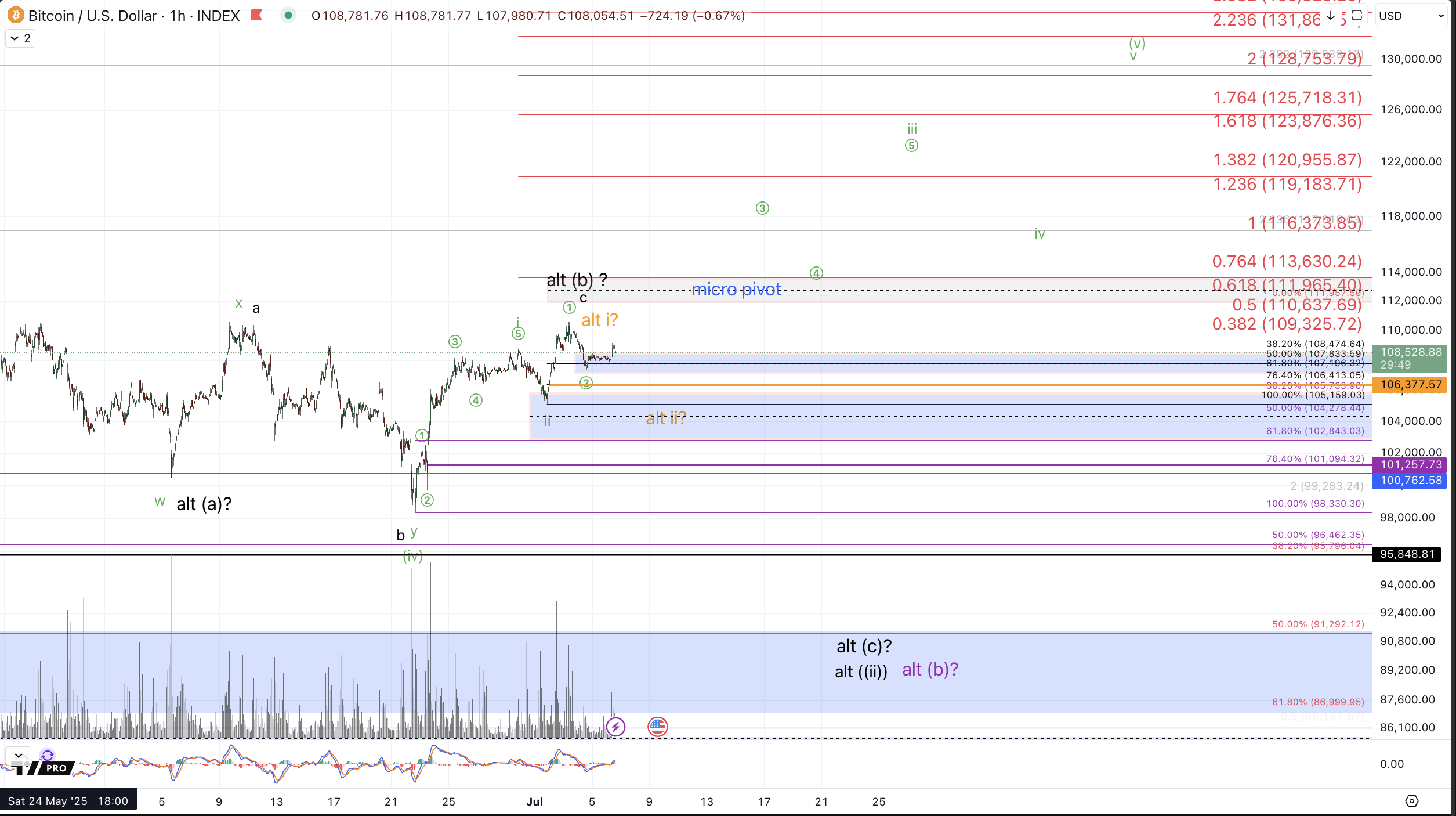
Bitcoin: The Fakeout Thesis Is On Thin Ice
BB Finews

China’s hottest new look: the facekini
BB Finews

MetaMask to roll out wallet-native mUSD dollar stablecoin
BB Finews

OG Bitcoin whale dumps 36K BTC: ‘Going through growing pains’
BB Finews

Ethereum Futures lead the charge – Bitcoin dominance takes a hit
BB Finews
- Page 7
Disclaimer:
This article is an original work by BBFinews, with copyright owned by Jinse Finance. Unauthorized reproduction is prohibited. Authorized media must indicate: “Source: BBFinews” when using this content. Violators will be held legally accountable.
Risk Warning:
Investment involves risks. Please exercise caution when entering the market. This content does not constitute investment or financial advice.