
定位失败
天气获取失败
--

Ethereum core dev’s crypto wallet drained by malicious AI extension

Published date:
Source:
BB Finews
8/15/25, 4:32 PM
A core Ethereum developer said he was hit by a cryptocurrency wallet drainer linked to a rogue code assistant, underscoring how even seasoned builders can be caught by increasingly polished scams.
Core Ethereum developer Zak Cole fell victim to a malicious artificial intelligence extension from Cursor AI, which enabled the attacker to access his hot wallet for three days before draining the funds, he said in a Tuesday X post.
The developer installed the “contractshark.solidity-lang” that appeared legitimate with a professional icon, descriptive copy and more than 54,000 downloads, but it silently exfiltrated his private key. The plugin “read my .env file” and sent the key to an attacker’s server, giving access to a hot wallet for three days before funds were drained on Sunday, he said.
“In 10+ years, I have never lost a single wei to hackers. Then I rushed to ship a contract last week,” Cole said, adding that the loss was limited to a “few hundred” dollars in Ether (ETH) because he uses small, project-segregated hot wallets for testing and keeps primary holdings on hardware devices.

Wallet drainers — malware designed to steal digital assets — are becoming a growing threat to cryptocurrency investors.
Related: Colorado pastor and wife indicted in $3.4M crypto scam
In September 2024, a wallet drainer disguised as the WalletConnect Protocol stole over $70,000 worth of digital assets from investors after being live on the Google Play store for over five months.

Extensions are becoming a ‘major attack vector’ for crypto builders
Malicious VS Code and extensions are becoming a “major attack vector, using fake publishers and typosquatting to steal private keys,” according to Hakan Unal, senior security operations lead at blockchain security firm Cyvers.
“Builders should vet extensions, avoid storing secrets in plain text or .env file, use hardware wallets, and develop in isolated environments.”
Meanwhile, crypto drainers are becoming even more accessible for scammers.
Related: Lazarus Group laundered over $200M in hacked crypto since 2020

An April 22 report from crypto forensics and compliance firm AMLBot revealed that these drainers are sold as a software-as-a-service model, enabling scammers to rent them for as little as $100 USDt (USDT), Cointelegraph reported.
Magazine: Inside a 30,000 phone bot farm stealing crypto airdrops from real users

Financial News

Canary Capital files 'American-Made' crypto ETF amid SEC delays
BB Finews

Semiconductor company Sequans is raising $200M to buy Bitcoin
BB Finews
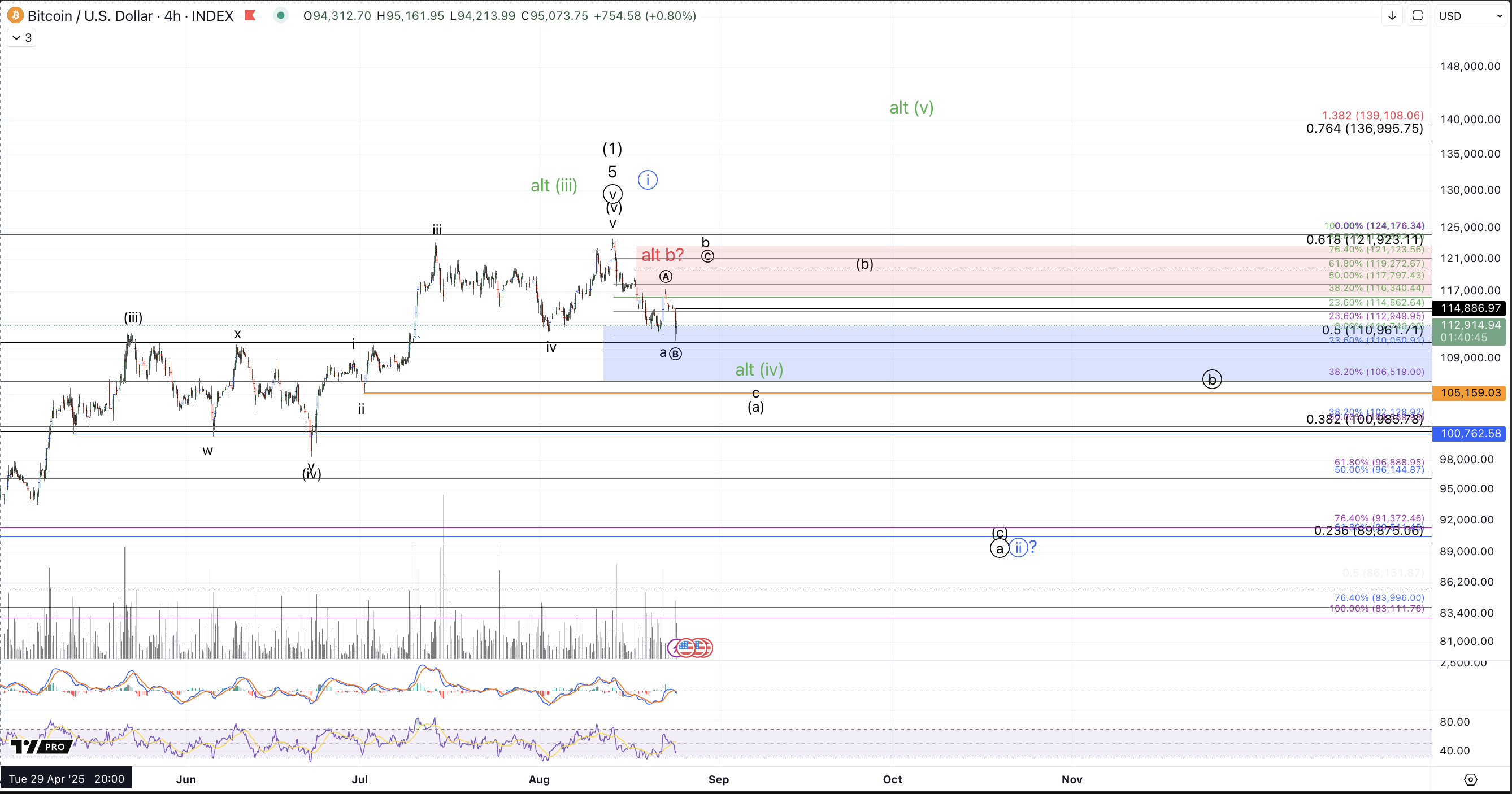
BTC: Top in Place, But Top of What?
BB Finews

From White House reports to Wall Street: How ZK-proofs are taking over blockchain
BB Finews

Bitpanda launches in UK, sets two-year growth target
BB Finews

Jack Dorsey’s Block targets 10-year lifecycle for Bitcoin mining rigs
BB Finews

Charles Schwab, Fidelity among traditional companies hiring for crypto expansion
BB Finews

TeraWulf secures $3.7B AI hosting deal backed by Google, shares soar
BB Finews

Perplexity AI eyes $20B valuation in new funding round after Chrome bid
BB Finews
- Page 34
Disclaimer:
This article is an original work by BBFinews, with copyright owned by Jinse Finance. Unauthorized reproduction is prohibited. Authorized media must indicate: “Source: BBFinews” when using this content. Violators will be held legally accountable.
Risk Warning:
Investment involves risks. Please exercise caution when entering the market. This content does not constitute investment or financial advice.