Japan wrote the first stablecoin rulebook — so why is the US pulling ahead?

Published date:
Source:
BB Finews
8/28/25, 3:32 AM
While the US GENIUS Act is being celebrated as a market catalyst for stablecoin adoption, Japan’s earlier reforms show the flip side: Clarity doesn’t automatically translate into immediate real-world utility.
Japan had the world’s first comprehensive stablecoin regime in 2023, but adoption has been muted. Licensed issuers exist on paper, yet there’s no thriving yen-stablecoin economy.
In an interview with Cointelegraph, Takashi Tezuka, country manager at Web3 infrastructure developer Startale Group, said the adoption gap between the US and Japan reflects a philosophical difference in regulatory design.
“The GENIUS Act was greeted with a mix of relief and curiosity,” Tezuka said, “because the US has finally caught up with what Japan did two years earlier — putting a comprehensive legal framework around stablecoins.”
Under Japan’s 2023 amendment to the Payment Services Act, only licensed banks, trust banks and registered money transfer agents are permitted to issue stablecoins.
The US approach under the GENIUS Act, by contrast, opens the door more widely: Not only banks, but also federally licensed non-bank companies can pursue stablecoin issuance, provided they meet reserve and compliance standards.
This underscores a philosophical divide. “Japan prizes systemic stability above innovation speed, while the US is signaling a bigger market-opening play,” Tezuka noted.
Still, the gap may not last long. Japan’s infrastructure-first strategy “mirrors broader industry signals — global players are building infrastructure to support programmable, enterprise-grade capital markets, and Japan’s measured, infrastructure-first mindset positions the country to compete as the regulatory landscape matures.”

Related: Japan’s finance minister endorses crypto as portfolio diversifier
First yen-backed stablecoin set to launch this year
After laying the regulatory groundwork for the past two years, Japan is set to approve its first yen-den stablecoin this fall, opening the door to blockchain-based remittances and payments of its national currency.
The first stablecoin will reportedly be issued by local fintech company JPYC, which is registering as a money transfer operator. It will be a fully collateralized stablecoin, backed one-to-one with bank deposits and Japanese government bonds.

Tokyo-based Monex Group is also considering issuing its own yen-pegged stablecoin. Like JPYC’s, it would be fully collateralized with government bonds and other liquid assets, and aimed at use cases such as corporate settlements and global remittances.
Monex’s potential entry is especially notable. As a publicly traded company with subsidiaries including Tradestation and Coincheck — together serving millions of users — it could bring scale and credibility to Japan’s nascent stablecoin market.
If realized, these initiatives would mark the yen’s long-awaited entry into the $270 billion global stablecoin market, which today remains overwhelmingly dominated by US-dollar tokens, especially Tether’s USDt (USDT) and Circle’s USDC (USDC).
Related: GENIUS Act yield ban may push trillions into tokenized assets — ex-bank exec
Stablecoin adoption heats up in Japan
Tezuka’s company, Startale, has pushed for greater stablecoin adoption in Japan, culminating in a recent partnership with local financial giant SBI, which also signed separate agreements with USDC issuer Circle and payments developer Ripple.
As part of the collaboration, SBI is working with Startale to build a platform for tokenized stocks and other real-world assets.
“The goal is to give institutional and retail investors the tools to trade tokenized assets, including US and Japanese native stocks, with true 24/7 access, near-instant cross-border settlements, and fractional ownership for greater accessibility,” Tezuka told Cointelegraph.

Beyond tokenization, Startale is also focused on expanding corporate use of stablecoins by improving liquidity.
“The next step is programmable treasuries: using stablecoins alongside tokenized assets for automated FX hedging, conditional payments, and real-time capital allocation,” Tezuka said.
Related: GENIUS Act scrutinized for stablecoin yield ban as TradFi tokenization gains steam

24 Hot News

Canary Capital files 'American-Made' crypto ETF amid SEC delays
BB Finews

Semiconductor company Sequans is raising $200M to buy Bitcoin
BB Finews
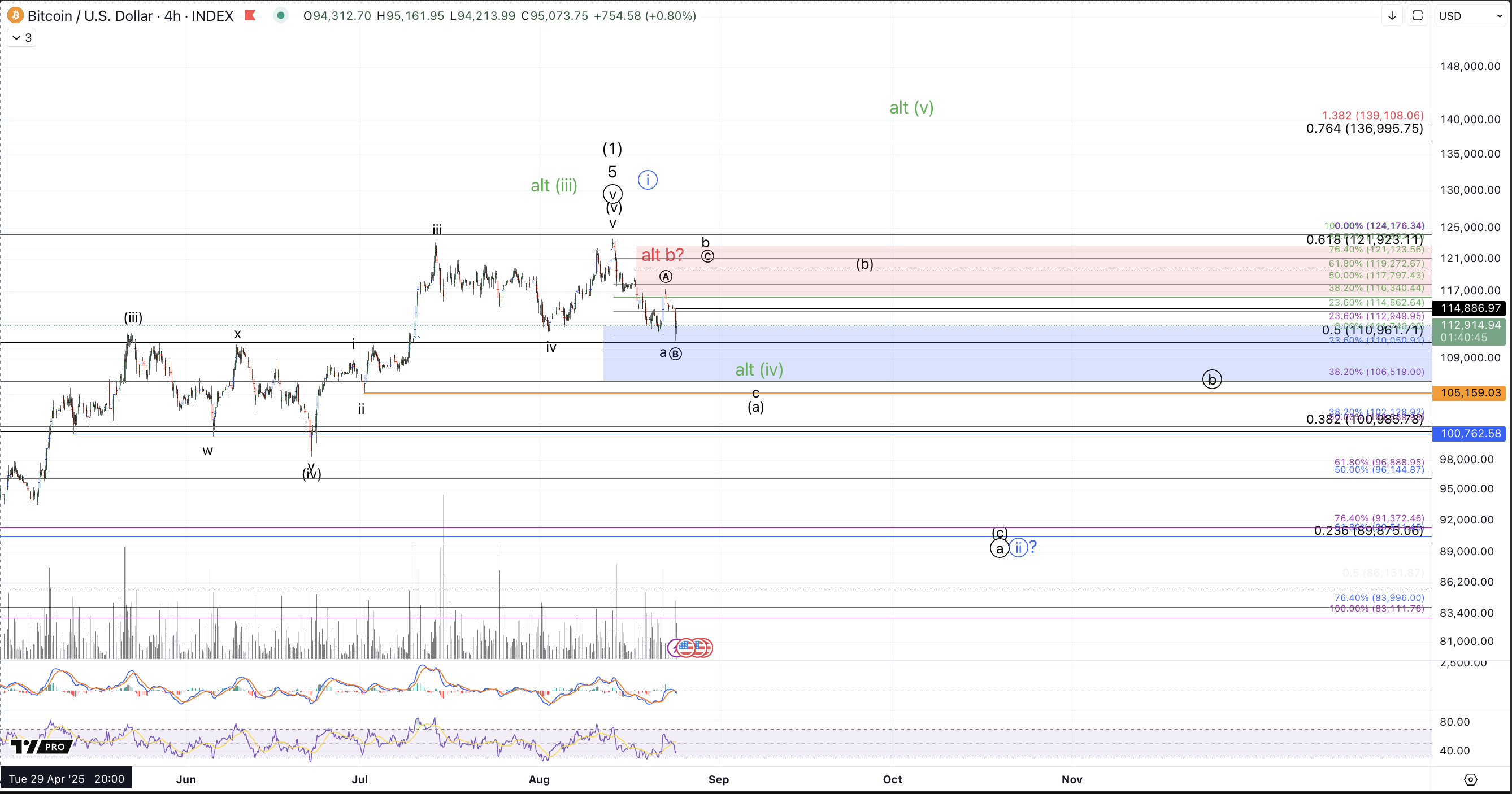
BTC: Top in Place, But Top of What?
BB Finews

From White House reports to Wall Street: How ZK-proofs are taking over blockchain
BB Finews

Bitpanda launches in UK, sets two-year growth target
BB Finews

Jack Dorsey’s Block targets 10-year lifecycle for Bitcoin mining rigs
BB Finews

Charles Schwab, Fidelity among traditional companies hiring for crypto expansion
BB Finews

TeraWulf secures $3.7B AI hosting deal backed by Google, shares soar
BB Finews

Perplexity AI eyes $20B valuation in new funding round after Chrome bid
BB Finews
- Page 34
Disclaimer:
This article is an original work by BBFinews, with copyright owned by Jinse Finance. Unauthorized reproduction is prohibited. Authorized media must indicate: “Source: BBFinews” when using this content. Violators will be held legally accountable.
Risk Warning:
Investment involves risks. Please exercise caution when entering the market. This content does not constitute investment or financial advice.
定位失败
天气获取失败
--